

NEWS CENTER
—
NEWS CENTER
What is the specific function of a stabilized soil mixing plant?
2025-11-20
Stabilized soil is an earthwork material capable of withstanding the load from vehicle and pedestrian traffic, widely used in infrastructure projects such as roads, bridges, and tunnels. Meanwhile, a stabilized soil mixing plant is one of the key pieces of equipment for producing stabilized soil base materials.
What is the role of a stabilized soil mixing plant? First, it enables on-site production of stabilized soil, ensuring the smooth progress of construction projects. Second, by using the mixing plant, the quality of stabilized soil can be consistently maintained, thereby guaranteeing the durability and safety of the project. Finally, the plant helps reduce the distance required for soil transportation, lowering overall project costs and boosting construction efficiency. During the production process at the stabilized soil mixing plant, it’s crucial to carefully control key parameters such as mixing time, mixing speed, and mixing intensity, ensuring that the final product meets stringent quality standards. Additionally, strict adherence to relevant environmental regulations is essential, ensuring that the production process does not harm the environment. The stabilized soil mixing plant is an indispensable piece of equipment that plays a vital role in maintaining the quality and safety of infrastructure projects like roads and bridges. Let’s work together to prioritize environmental protection and quality, collectively advancing the creation of a brighter, more sustainable future.
The stabilized soil mixing plant is primarily used for producing base-level stabilizing materials at high-grade highways, urban roads, airports, ports, and other similar sites. It mixes materials such as cement and lime with soil to create roadbase materials that meet the specific requirements of engineering projects.
Core Features
This equipment can continuously produce materials such as cement-stabilized soil, lime-stabilized soil, and fly-ash-lime-gravel mixtures, making it suitable for highway subbases, base courses, and municipal engineering projects. For instance, when using cement-stabilized medium- or coarse-grained soil as the base course, the cement content typically does not exceed 6%.
Technical Features
Equipped with remote centralized operation capabilities, it enables automated production; and through precise gradation control, ensures materials meet construction specifications.
The stabilized soil mixing plant is primarily used for the continuous production of stable soil materials for base layers in high-grade highways, urban roads, airports, ports, and other construction projects. Through the coordinated operation of cement silos, metering and conveying equipment, and a mixing system, it can produce various subgrade materials such as cement-stabilized soil, lime-stabilized soil, and lime-fly ash gravel, making it suitable for both highway base and subbase construction. [1 When cement-stabilized medium-grain and coarse-grain soils are used as the base course, the cement content should not exceed 6%.
Core Features
- Material Handling : Capable of producing finished materials such as cement-stabilized gravel and lime-stabilized gravel, meeting the construction needs of highway subbases.
- Precise gradation : Ensure accurate material gradation through automated equipment, enhancing construction quality.
- Remote operation : Supports remote centralized operation, reducing labor costs and improving efficiency.
This equipment is suitable for scenarios such as municipal engineering and railway construction, and serves as a critical tool for modern transportation infrastructure projects.
Key words:
Latest information
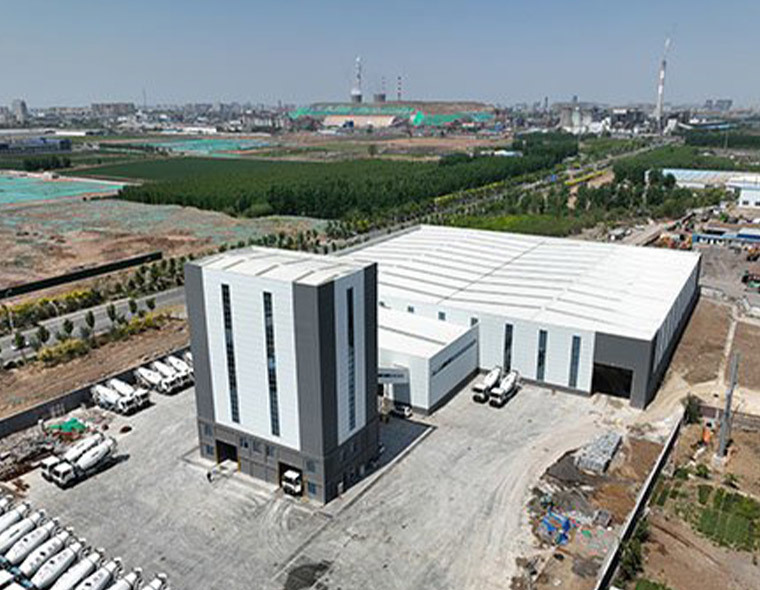
Mixing Station Qualification Application Process
2025-11-06

2025-11-01
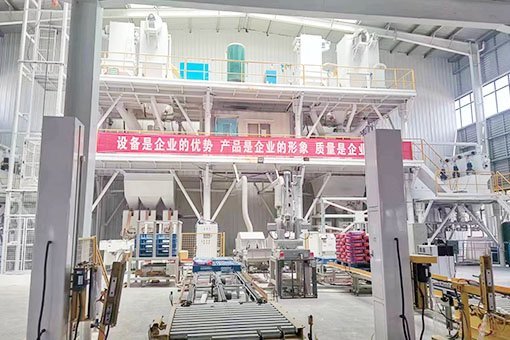
2025-09-23

The company takes technological innovation and service upgrading as its core competitiveness, takes customer needs and satisfaction as the starting point and end point of our work, and is committed to providing customers with environmentally friendly and intelligent mixing plant products and service support.
Column Menu
Contact Information
Tel: +86-532-58081151
E-mail: qdldzn@163.com
Address: No. 7 Ganjiang Road, Shanghe Demonstration Zone, Jiaozhou City, Qingdao City


Follow us
Sina
Channel
Official account
Copyright©2024 Qingdao Lvda Intelligent Technology Co., Ltd