

PRODUCT
—
PRODUCT
Stabilized Soil Mixing Station WBZ800, Industrial Waste Material Mixing Station, Lime-Soil Mixing Station
Category:
Key words:Mixing station
Service Hotline:
Product Introduction

Qingdao Luda Intelligent Technology Co., Ltd. With robust technical support and comprehensive product capabilities spanning both domestic and international markets, our products—particularly the stabilized soil mixing stations—clearly embody the contemporary trend of industrial modernization.
A stabilized soil mixing plant is an automated stabilized soil production line that uses computer-controlled automatic batching to mix stable soil meeting specified requirements. It can be configured with various standard mixing ratios according to customer needs and is capable of precisely blending a wide range of high-precision stabilized soil materials.
The difference between a stabilized soil mixing station and a concrete mixing station lies in:
1. The finished concrete produced by stabilized soil mixing plants is primarily used in the construction of transportation projects such as highways, railways, and airports, whereas the concrete produced by concrete mixing plants is mainly utilized for the construction of various engineering structures.
2. The finished products from the concrete mixing plant must meet higher quality standards compared to those from the stabilized soil mixing plant.
3. Different types of mixing units are employed. The stabilized soil mixing plant uses a twin-shaft continuous mixer, while concrete mixing plants typically rely primarily on JS twin-shaft forced mixers and MP series vertical planetary mixers, delivering stronger, more uniform, and ideal mixing performance.
4. Since the proportion of cement required for stabilized soil production is relatively low, stabilized soil mixing stations typically have only a few cement silos—often just one or two are sufficient. In contrast, concrete mixing stations generally require three to four cement storage bins.
5. Stabilized soil mixing plants typically use dynamic measurement methods, whereas concrete mixing plants employ static measurement methods for production.
The structure of a stabilized soil mixing plant is simpler than that of a concrete mixing plant. However, the quality of the finished product does not meet the stringent standards required for concrete mixing plants. Before making an investment, customers must carefully assess and confirm the future market for concrete sales—specifically, whether the primary demand will come from highway construction projects or construction site applications. While both stabilized soil mixing plants and concrete mixing plants are typically needed for highway construction, construction sites generally only require concrete mixing plants.
Stabilized Soil Mixing Plant: Refers to the machinery and equipment used for producing stabilized soil, which mixes various materials to create a uniform stabilized soil product.
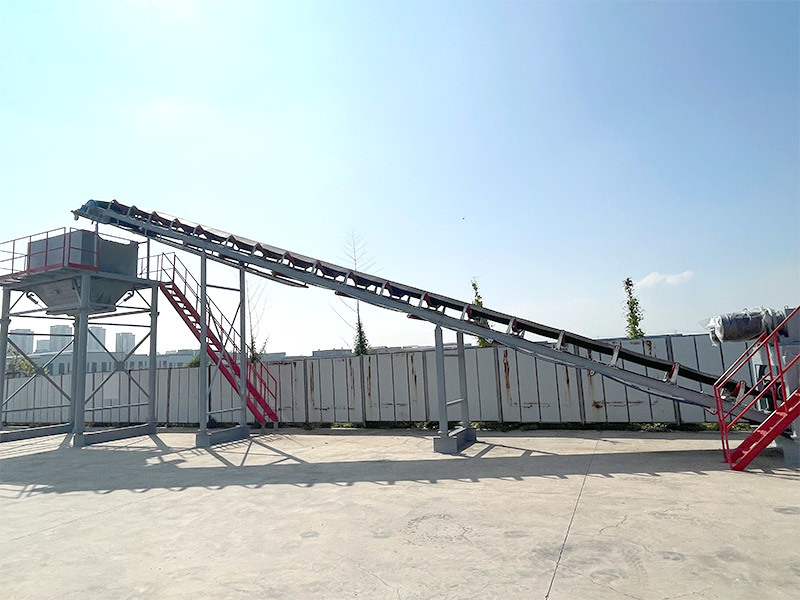
The concrete mixing plant primarily consists of a mixing main unit, material weighing system, material conveying system, material storage system, and control system. Composed of five major systems and other ancillary facilities.
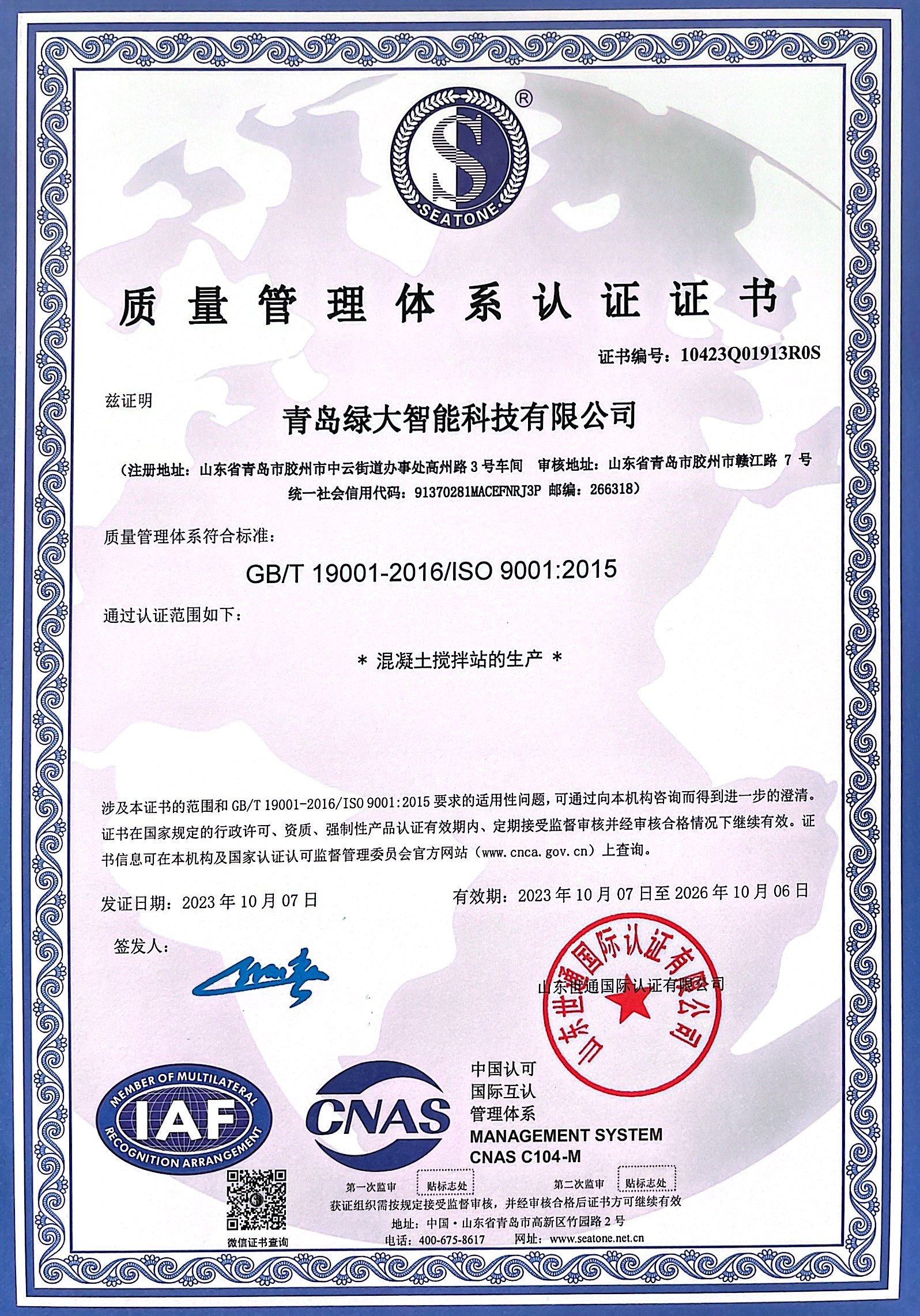
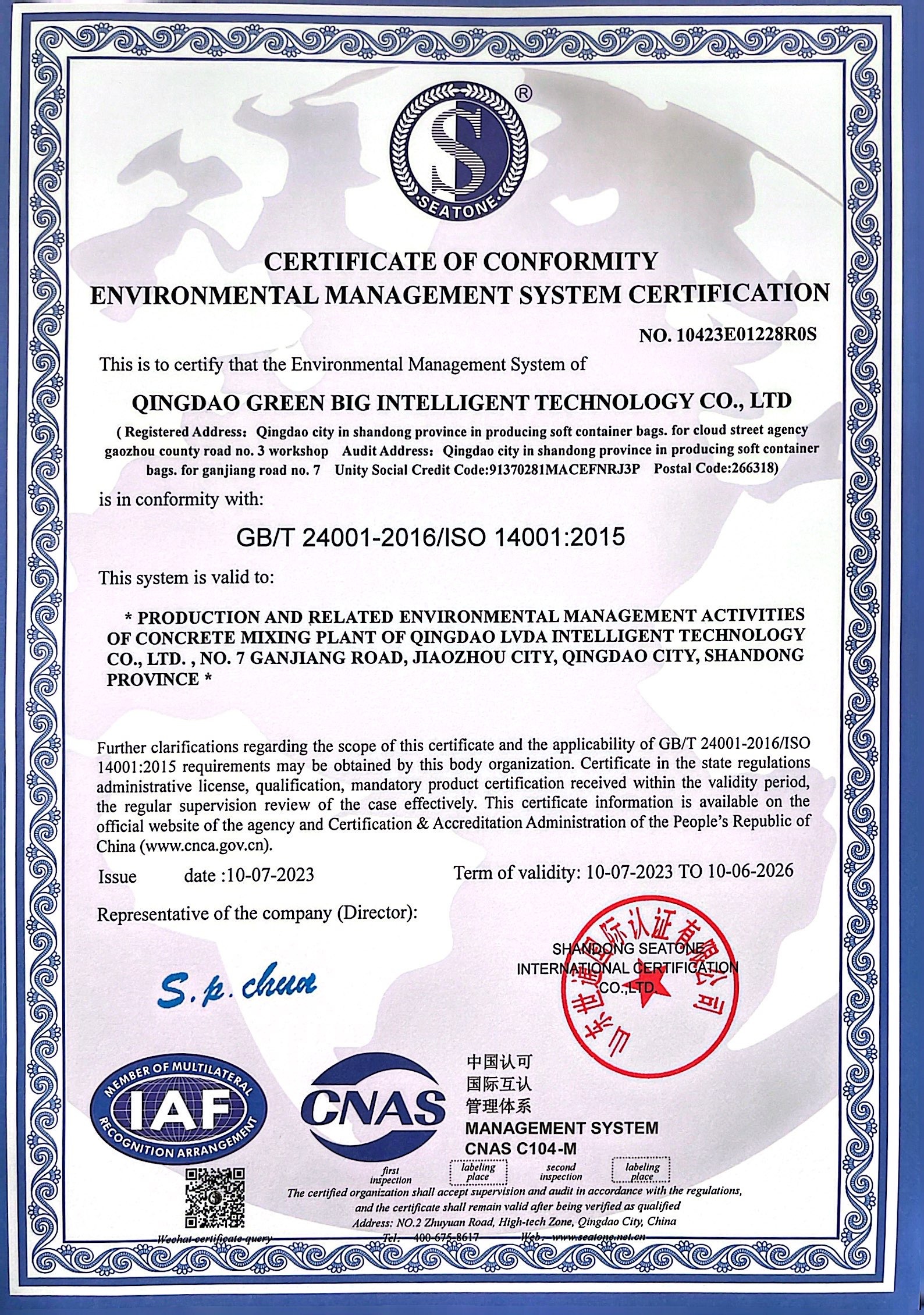
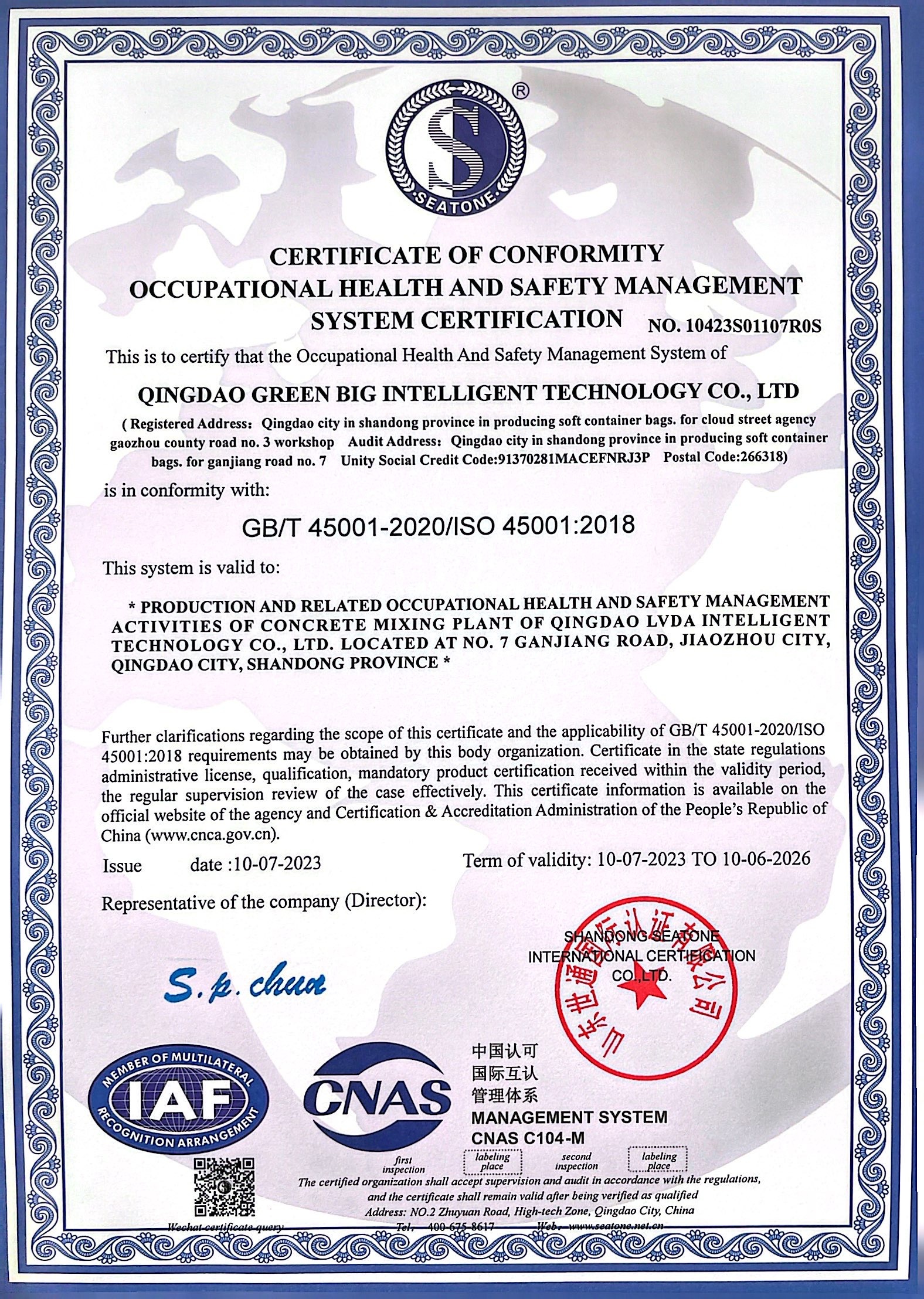
Shandong Qingdao Luda Intelligent Technology The company boasts a comprehensive quality management system and boasts over a decade of manufacturing experience, utilizing advanced techniques from the machinery industry. The ERP computer management system enhances enterprise efficiency by leveraging technological advancements and maintaining quality and integrity, thereby strengthening the company's competitive edge. We have a dedicated service team that provides free installation and commissioning for our stabilized soil mixing stations, concrete mixing stations, and soil stabilization mixing stations. Additionally, we offer comprehensive technical training to our clients. Our products and services have earned widespread acclaim and positive feedback from customers and distributors both domestically and internationally. Moreover, our products have successfully entered the global market, with strong demand in regions such as Europe, Africa, and Southeast Asia.
Quality Assurance

Key words:
Inquiry
Related Products




The company takes technological innovation and service upgrading as its core competitiveness, takes customer needs and satisfaction as the starting point and end point of our work, and is committed to providing customers with environmentally friendly and intelligent mixing plant products and service support.
Column Menu
Contact Information
Tel: +86-532-58081151
E-mail: qdldzn@163.com
Address: No. 7 Ganjiang Road, Shanghe Demonstration Zone, Jiaozhou City, Qingdao City


Follow us
Sina
Channel
Official account
Copyright©2024 Qingdao Lvda Intelligent Technology Co., Ltd